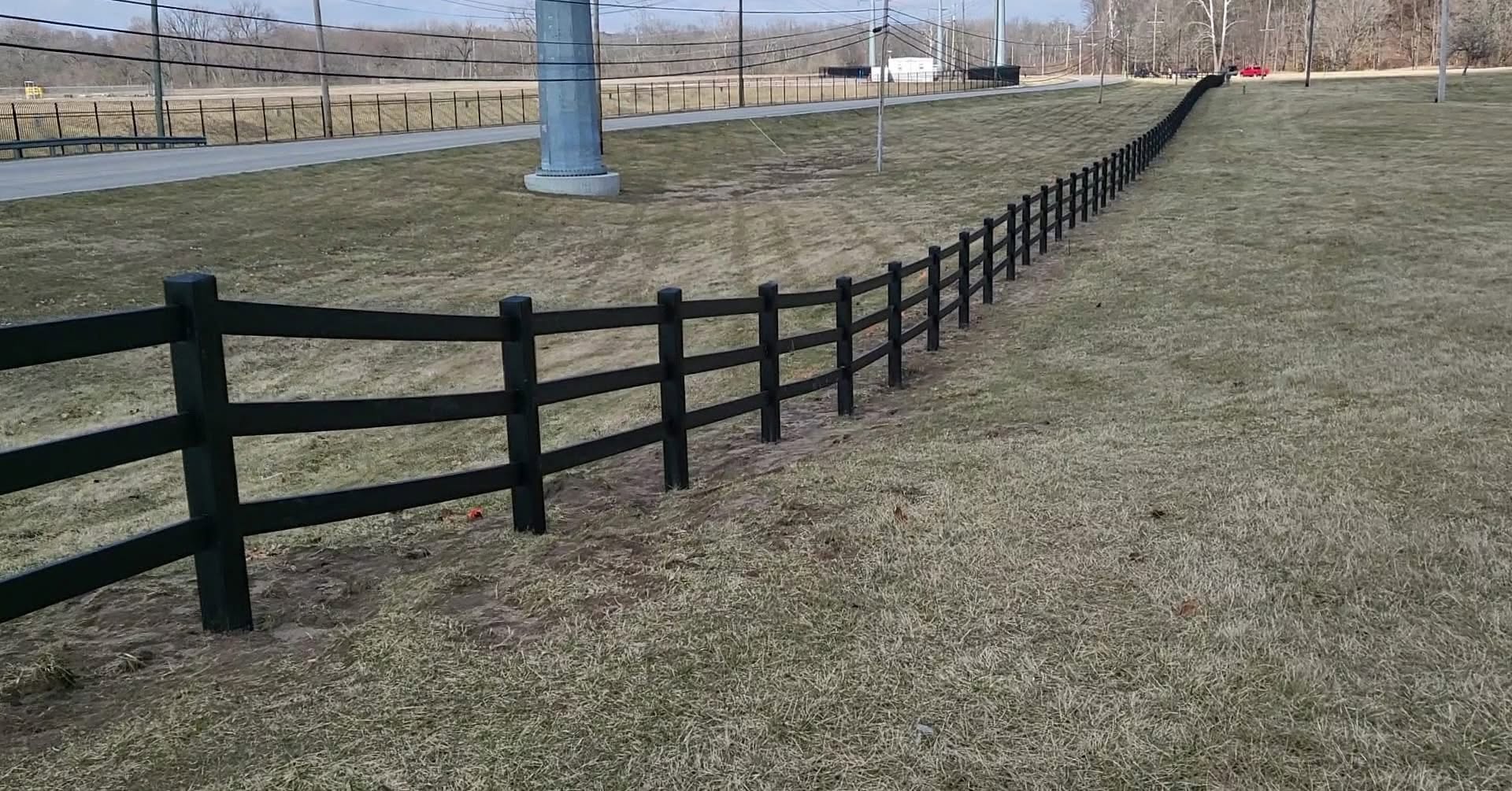
Choosing the Perfect Fence Material for Your Property Jul 09, 2026
The first factor to consider is the function of your fence. Are you in search of privacy, security, decoration, or a combination of these? If privacy is your primary goal, solid panels made of wood, vinyl, or composite materials might be the best fit. These offer not just seclusion but can also help buffer noise, making your outdoor space more tranquil. In contrast, decorative fencing, such as ornamental iron or aluminum, can enhance curb appeal while defining property boundaries without providing substantial privacy.
Durability is a crucial factor when selecting a fencing material. Different materials come with varying levels of durability and maintenance needs. For instance, wooden fences provide a classic, natural look but often require regular treatment to protect against rot and insect damage. On the other hand, materials like vinyl and aluminum are low-maintenance and are resistant to decay. Vinyl, in particular, is highly durable in various weather conditions, while aluminum is known for its strength and resistance to rust.
Budget is often a determining factor for homeowners looking to install or replace a fence. A cost-effective option like chain link might be appealing for large properties or when fencing in a backyard for pets or children. However, for those willing to invest more upfront for long-term savings on maintenance, materials like vinyl or composite might be an excellent choice. Although these may have higher initial costs, their minimal maintenance requirements can make them more economical over the years.
Another essential consideration is the overall style and aesthetics of your home and landscape. Whether your style leans toward the traditional, like a classic white picket fence, or the modern, such as sleek steel panels, matching your fencing choice with your property's architecture can create a cohesive exterior appearance. This alignment not only enhances curb appeal but may also increase your property's value.
Lastly, be mindful of the local climate and environmental conditions when selecting a fence material. For example, metal fences may not be suitable for seaside locations due to potential corrosion from salty air, while wood may not be ideal in areas with high humidity and frequent rains.
In conclusion, selecting the perfect fence material requires careful consideration of several factors, including function, durability, budget, style, and climate. At Morton Fencing, our experts are ready to guide you through every step of the process, ensuring that your final choice meets your needs and enhances your property. Reach out to us for personalized advice and professional fencing installation services. By making a well-informed decision, you can ensure that your fence is not only a beautiful addition but a functional one that stands the test of time.
/filters:no_upscale()/filters:format(webp)/media/20f49d07-a96b-49a3-ac5d-140a3c0beacb.jpeg)
/filters:no_upscale()/filters:format(webp)/media/d119ad6b-99de-4130-8ecc-262be177e985.jpeg)